

Regenesis Health
Exosomes & PRP:
Next-Generation
Cellular Restoration
for Hair & Skin
Regenesis Health | Exosomes & PRP
Exosomes: Next-Generation of Stem Cells
to Integrate Cellular Renewal for Skin and Hair
At Regenesis Health, inspired by advanced Korean skin technology — one of the most innovative forces in regenerative skincare today — we embrace the next evolution in regenerative medicine: cellular communication therapy powered by exosomes. These advanced bio-signaling molecules, naturally released by stem cells, serve as the messengers that help stimulate repair, rejuvenation, and renewal at the cellular level.
What Are Exosomes?
When introduced into the skin or scalp, exosomes support natural healing pathways, enhance collagen and elastin production, and promote improved texture, tone, and vitality. Their potent regenerative properties deliver a denser, more standardized concentration of growth factors, cytokines, and signaling molecules — often achieving more robust results with fewer sessions than traditional PRP. This makes them ideal complements to treatments such as microneedling, laser therapy, or hair restoration procedures.
hP-MSC Exosomes vs. PDRN: Understanding the Difference
Not all regenerative treatments are the same. At Regenesis Health, we use human placental mesenchymal stem cell (hP-MSC) exosomes — nano-scale vesicles that carry growth factors, cytokines, and signaling molecules to direct cellular repair and renewal. These are distinct from PDRN (polydeoxyribonucleotide) therapies, sometimes informally called "salmon DNA" treatments, which use fragmented DNA from salmon or trout to promote wound healing and tissue hydration.
While both approaches have regenerative applications, hP-MSC exosomes work through active cell-to-cell communication — delivering targeted biological instructions rather than structural DNA fragments. This means a more precise, signal-driven mechanism for collagen stimulation, tissue remodeling, and follicle activation. All exosome products used at Regenesis Health are rigorously sourced and administered under physician supervision.
Our Approach
Regenesis Health combines medical precision with cutting-edge science, offering patients a revitalizing experience that taps into the body's own potential for renewal — without surgery or extended downtime.
Quick Facts
- Exosomes are derived from stem cells and contain billions of bio-signaling molecules
- Most commonly combined with microneedling, laser, or scalp injection procedures
- Minimal downtime; topical numbing is used for patient comfort
- Results continue to develop over several weeks as cellular renewal deepens
- Can be used for both skin rejuvenation and hair restoration
- All treatments are administered by a licensed physician at Regenesis Health
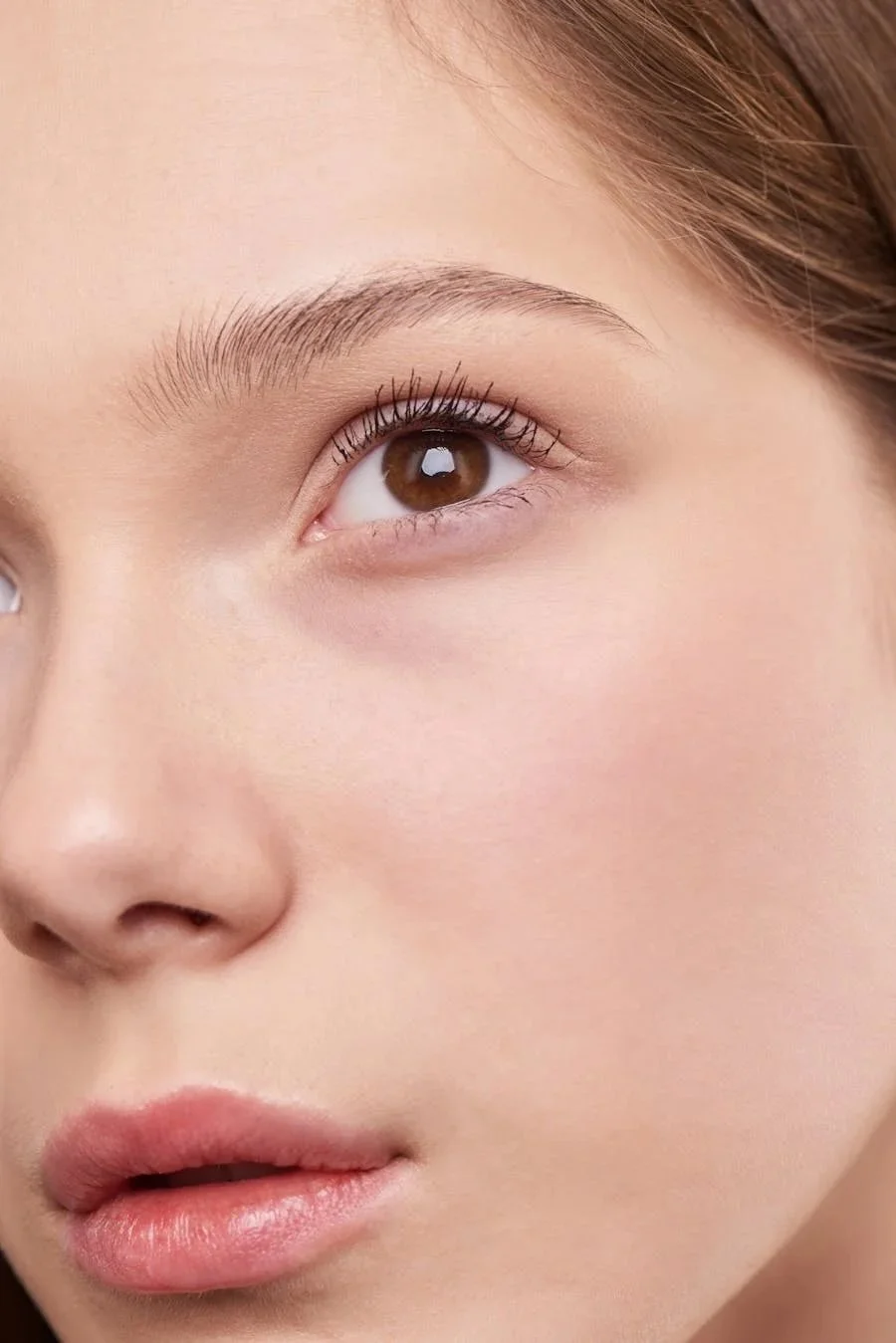
For Skin Rejuvenation
Renewed Tone, Texture &
Radiant Firmness
Exosome skin rejuvenation uses stem-cell–derived vesicles applied or delivered into the skin to support collagen, repair tissue, and calm inflammation for improved tone, texture, and firmness.
Exosomes are commonly used to address fine lines, laxity, uneven tone, photoaging, acne scarring, and post-procedure healing by enhancing regenerative pathways in the skin. Most patients experience minimal downtime, with improvements continuing to develop over several weeks.
For Hair Restoration
Reawaken Dormant
Follicles. Restore Density.
Exosomes act as cellular messengers around the hair follicles, helping to modulate inflammation, support follicle health, and encourage hair growth signals in the scalp.
Ideal candidates are typically in the early to moderate stages of hair thinning who want a regenerative, non-surgical treatment. Because hair grows in cycles, changes usually appear gradually over several months — with improvements in shedding, thickness, and coverage as the follicles respond.
Exosomes are often paired with PRP, medical-grade topicals, or light-based therapies to support multi-modal, synergistic hair restoration plans.

PRP vs. Exosomes — Which Is Right for You?
| Factor | PRP (Platelet-Rich Plasma) | Exosome Therapy |
|---|---|---|
| Source | Your own blood (autologous) | Stem-cell–derived; no blood draw required |
| How it works | Concentrates your own platelets to release growth factors supporting healing and collagen | Delivers nanoscale messengers packed with signaling molecules to guide cells toward repair and regeneration |
| Concentration | Variable; dependent on individual biology | Highly standardized, off-the-shelf with dense growth factor payload |
| Sessions needed | Typically a series of 3–4 sessions | Often robust results with fewer sessions |
| Best for | Patients who prefer an autologous "from my own body" approach | Patients wanting highly concentrated, targeted regenerative signaling |
| Hair restoration | Injected into scalp; delivers patient's own growth factors around follicles | Delivers billions of communication vesicles to reawaken sluggish or dormant follicles |
Not sure which is right for you? Our Regenesis Health team explains both options in simple terms and builds a regenerative plan — often integrating hormone optimization (BHRT) as a foundation — to support stronger hair and healthier, more radiant skin.
Real Results
Before & After
The following results were achieved using exosome therapy. Individual outcomes vary. Drag the slider to compare.
Facial Hair Restoration — Male
Scalp Density — Female
Crown Restoration — Male
Results shown are from exovex+ HAIR by Exocel Bio. Individual results may vary. These images are provided for illustrative purposes and do not constitute a guarantee of outcome.
Frequently Asked Questions
What is exosome skin rejuvenation?
Exosome skin rejuvenation uses stem-cell–derived vesicles applied or delivered into the skin to support collagen, repair tissue, and calm inflammation for improved tone, texture, and firmness.
Which skin concerns can exosomes help with?
Exosomes are commonly used to address fine lines, laxity, uneven tone, photoaging, acne scarring, and post-procedure healing by enhancing regenerative pathways in the skin.
Are exosomes the same as "salmon DNA" or PDRN treatments?
No. PDRN (polydeoxyribonucleotide) therapies — sometimes called "salmon DNA" or "salmon sperm" treatments — use fragmented DNA from salmon or trout to support tissue hydration and wound healing. At Regenesis Health, we use hP-MSC (human placental mesenchymal stem cell) exosomes, which are nano-scale vesicles that carry growth factors and signaling molecules to actively direct cellular repair and renewal. While both fall under the regenerative umbrella, hP-MSC exosomes work through targeted cell-to-cell communication rather than structural DNA fragments — a more precise mechanism for collagen stimulation, tissue remodeling, and follicle activation.
Are exosome treatments painful, and is there downtime?
Exosomes are usually combined with procedures that use topical numbing, and most patients experience minimal downtime, with improvements continuing to develop over several weeks.
How many exosome sessions will I need?
Many patients see visible improvement after a series of sessions, often spaced weeks apart, with maintenance recommended based on individual goals and skin condition.
How do exosomes work for hair restoration?
Exosomes act as cellular messengers around the hair follicles, helping to modulate inflammation, support follicle health, and encourage hair growth signals in the scalp.
When will I see results from exosome hair treatment?
Because hair grows in cycles, changes usually appear gradually over several months, with improvements in shedding, thickness, and coverage as the follicles respond.
Can exosomes be combined with other hair loss treatments?
Exosomes are often paired with options like PRP, BHRT, medical-grade topicals, or light-based therapies to support multi-modal, synergistic hair restoration plans.
Dr. Dotson is my forever aesthetic doctor! With a full analysis, she could understand what I wanted: a natural look and enhance my favorite features. Dr. Dotson is the doctor of the doctors, highly recommend!— Dr. Brutten, M.D.